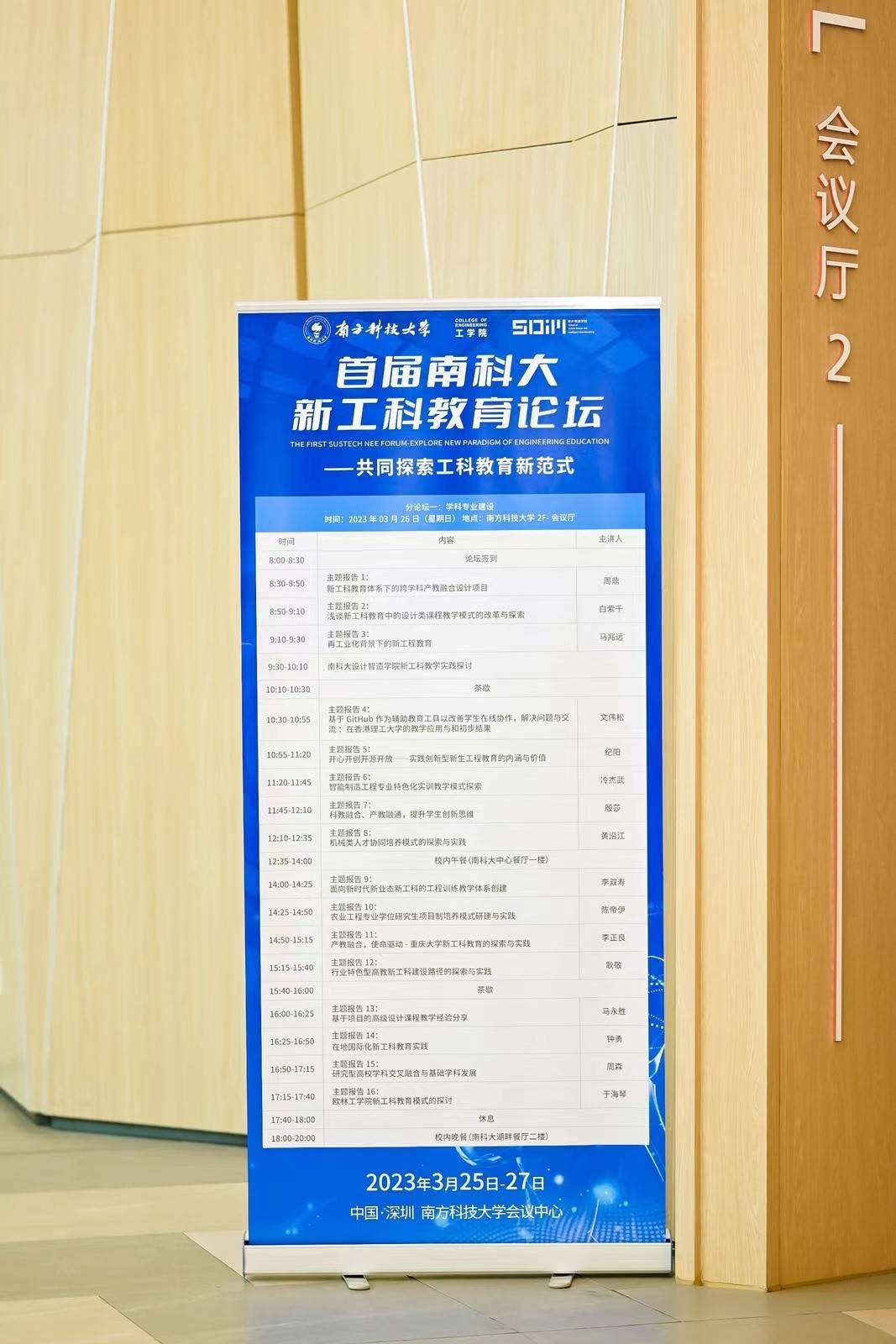
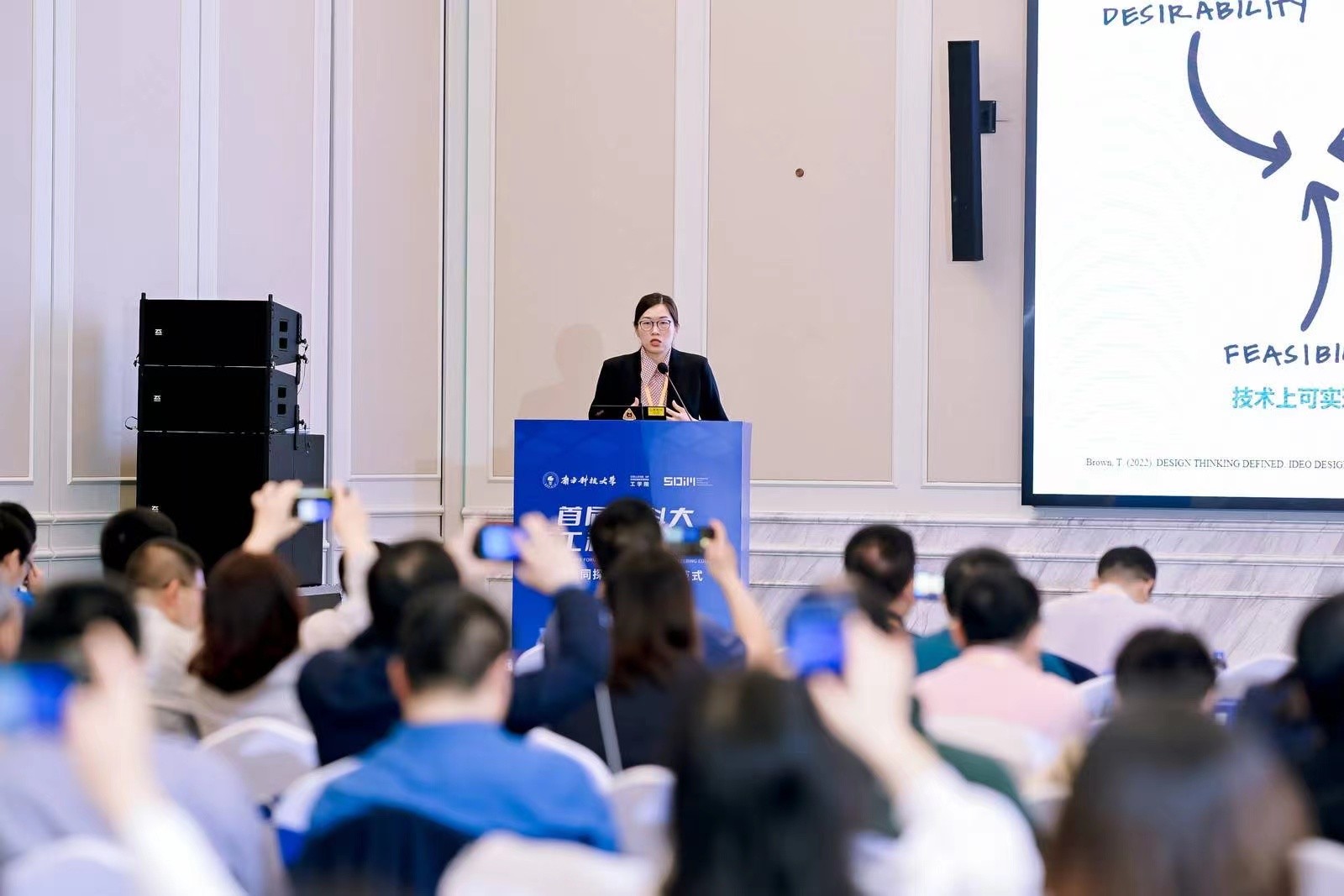
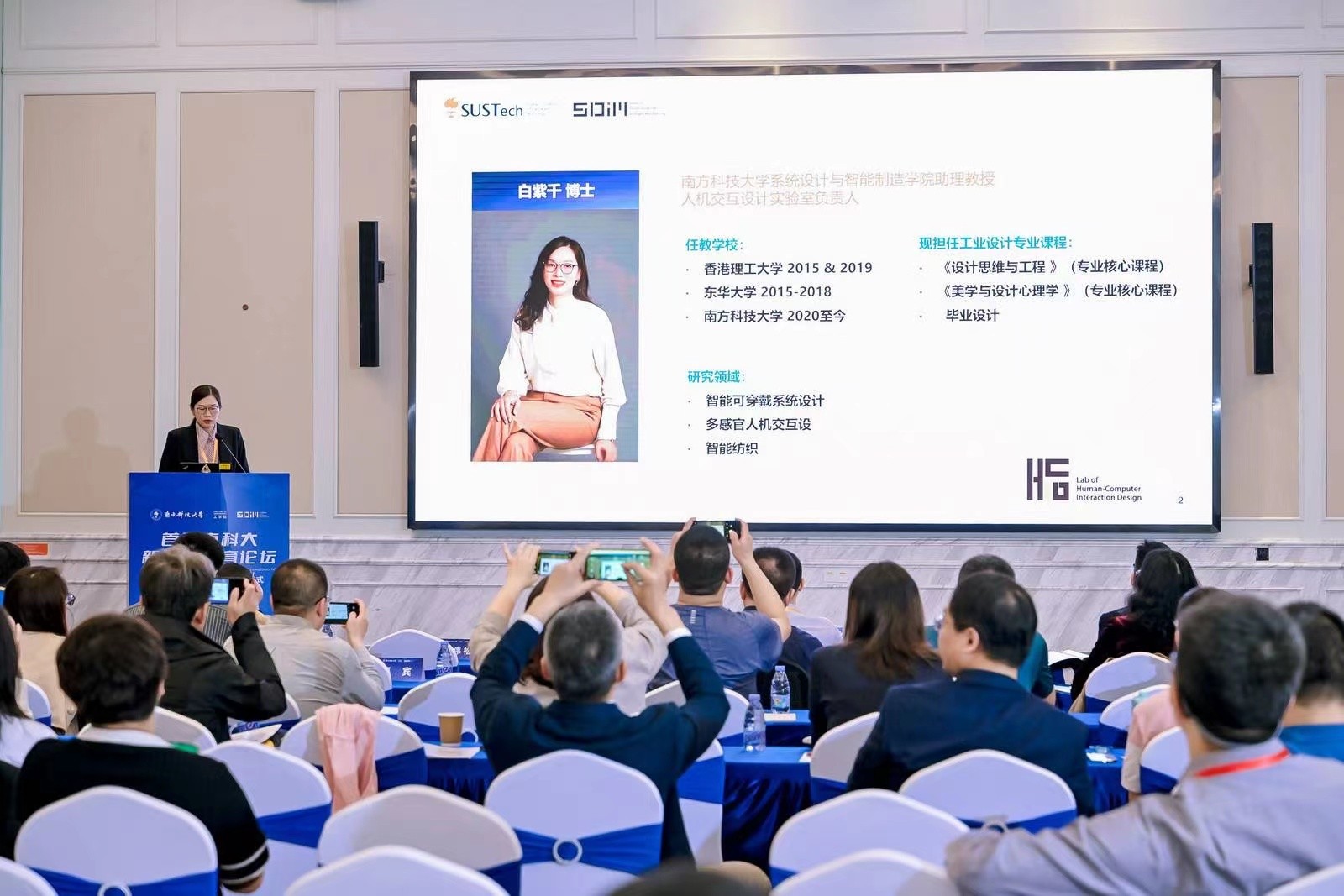
On March 26, the sub-forum on Discipline and Program Development, Teaching, and Evaluation of the First Southern University of Science and Technology (SUSTech) New Engineering Education Forum was held simultaneously at the SUSTech International Conference Center. Six faculty members from the School of System Design and Intelligent Manufacturing (SDIM) at SUSTech first delivered thematic presentations focusing on the "SUSTech New Engineering Education Model." Following this, 26 experts and scholars from institutions including Peking University, Zhejiang University, Shanghai Jiao Tong University, Tianjin University, Beihang University, South China University of Technology, as well as SUSTech’s School of Engineering and School of Innovation and Design, presented thematic reports on the strategies and practices for cultivating exceptional engineering talent in China.
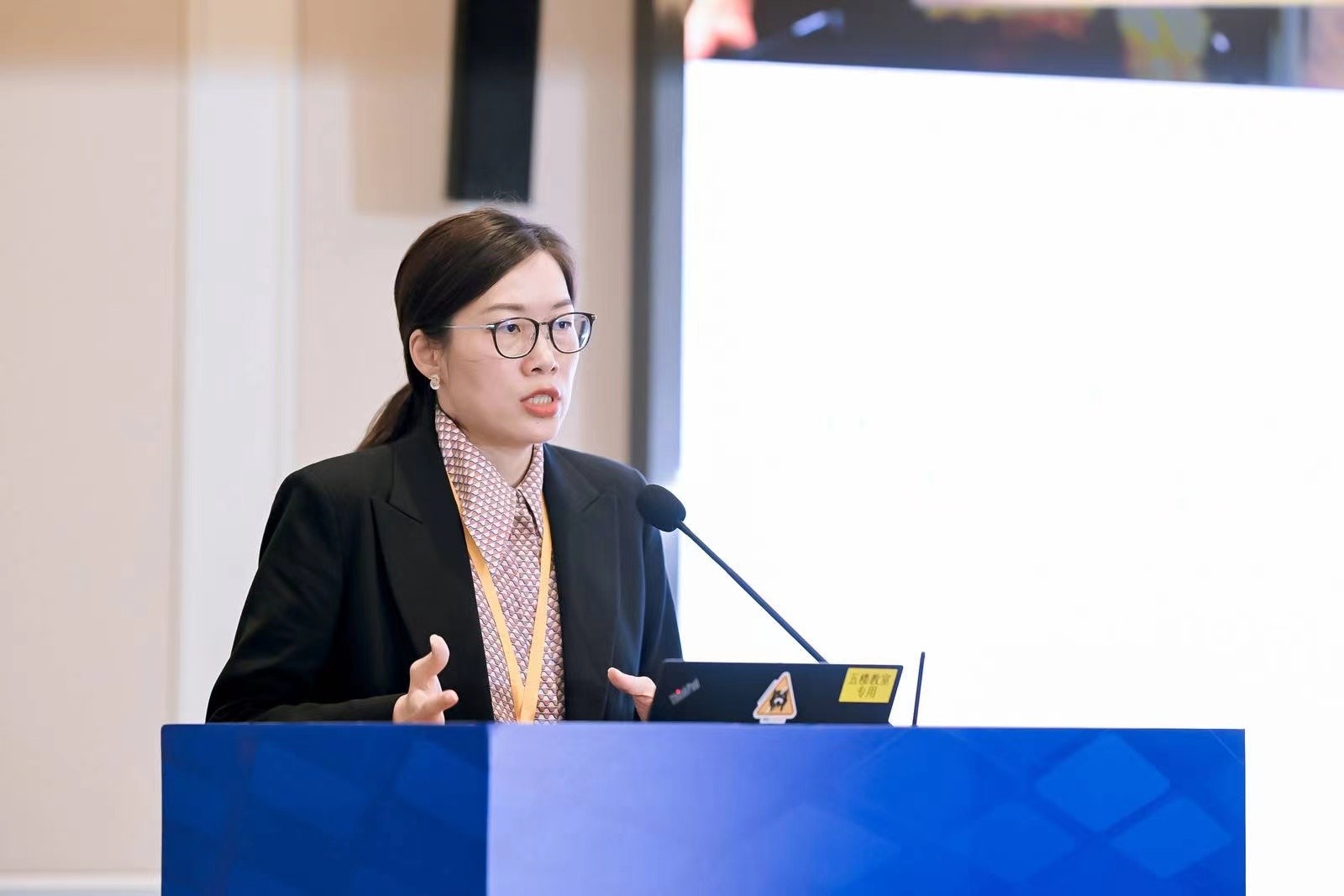
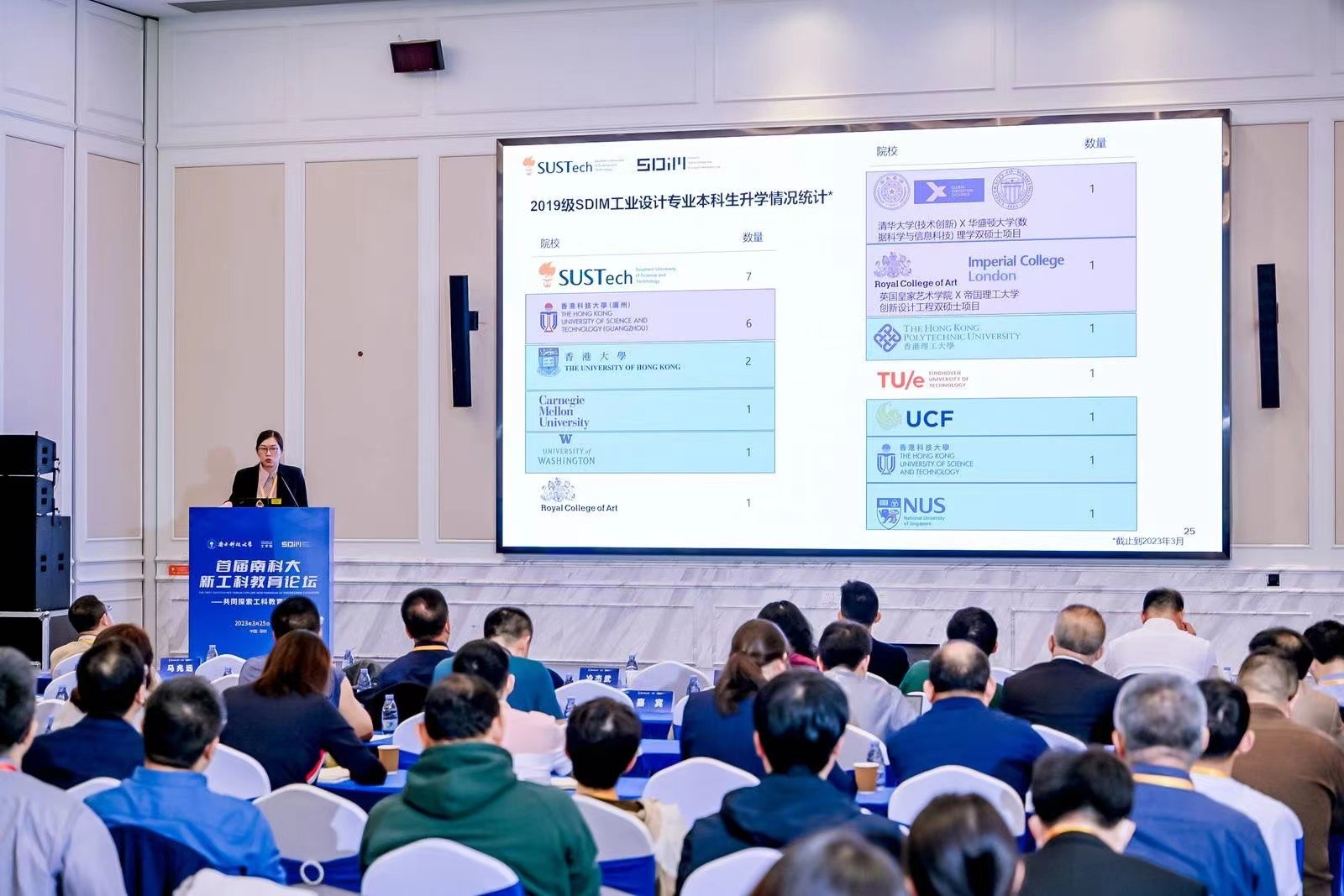
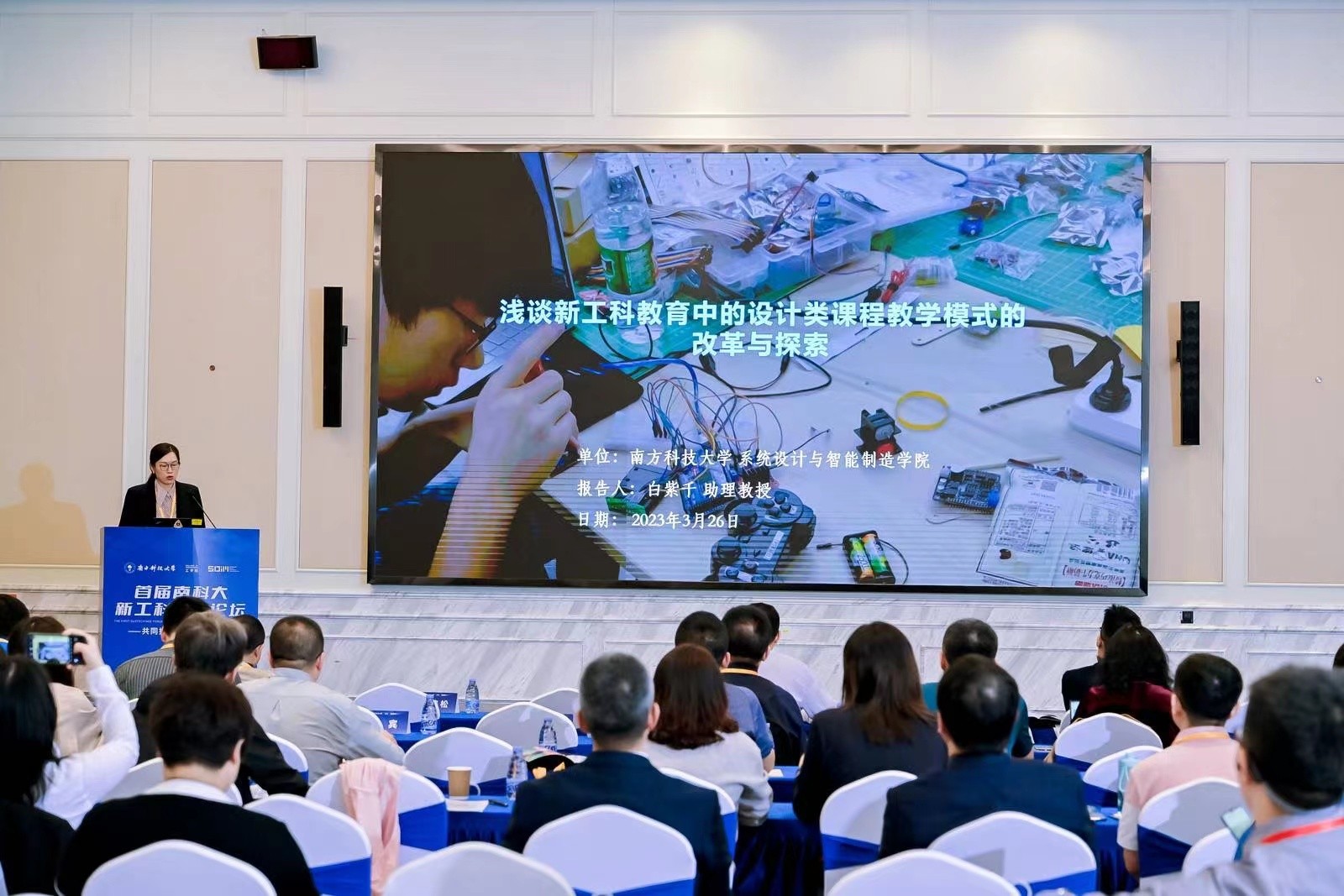
In this forum, Prof. Bai Ziqian shared a report on “Reform and Exploration of Design Course Teaching Mode in New Engineering Education”. Combined with the teaching cases of the School of System Design and Intelligent Manufacturing (SDIM) of Southern University of Science and Technology (SUSTech), the report explored the curriculum design, assessment methods, education and teaching experience of the industrial design major in the new engineering education in the light of SDIM's goal of cultivating T-type talents with broad knowledge and considerable knowledge depth in the society of the future. Teachers adopt the teaching concept of “Learning by doing”, guiding students through the whole process of demand research, pain point analysis, concept formation, prototyping and testing. The teaching process takes the form of an open design studio, utilizing multimedia teaching tools to enhance interaction with students in the classroom. During the teaching process, the use of bite-size projects, role-playing, workshops and other forms, so that students really combine theory and practice, in the process of doing projects to firmly grasp the knowledge and integration, and at the same time, exercise the ability to self-learning, the ability to identify and solve problems, as well as the ability to communicate with the team. The concepts of “humanistic care” and “sustainable development” are also integrated throughout the design courses, including the cultivation of engineering ethics, professional morality and professional standards. Finally, we summarize the challenges and problems in education practice. We will make exploratory reforms to deepen the goal of cultivating innovative, comprehensive, full-cycle and open engineering talents.